“𝙉𝙤𝙩 𝙇𝙚𝙨𝙨 𝙏𝙝𝙖𝙣 𝙂𝙧𝙖𝙣𝙙 𝘾𝙚𝙣𝙩𝙧𝙖𝙡”
Why Colombo Fort Railway Station Deserves to Be Remembered……
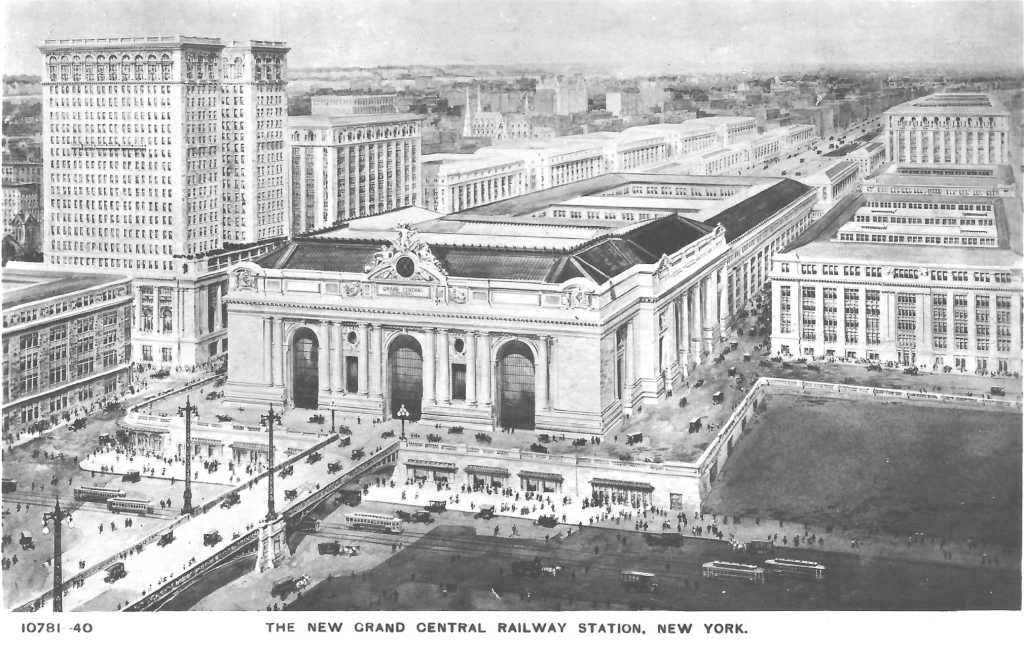
Living in New York, I pass through Grand Central Terminal, and I am always reminded of something powerful. This is not just a station. It is a space where time, memory, and everyday life coexist. It is modern, yes. But it has never forgotten what it is.
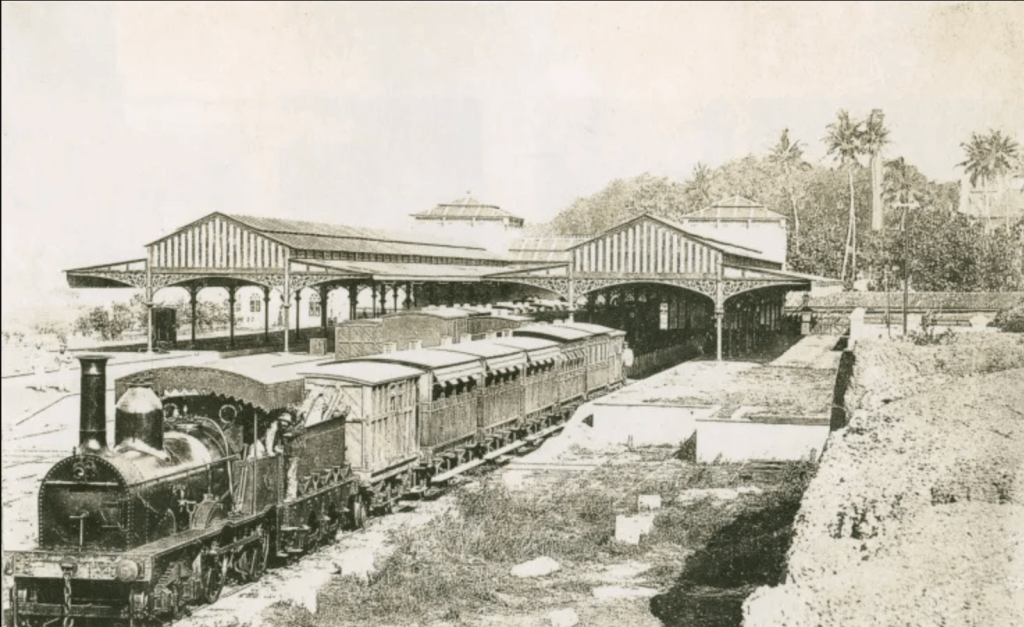
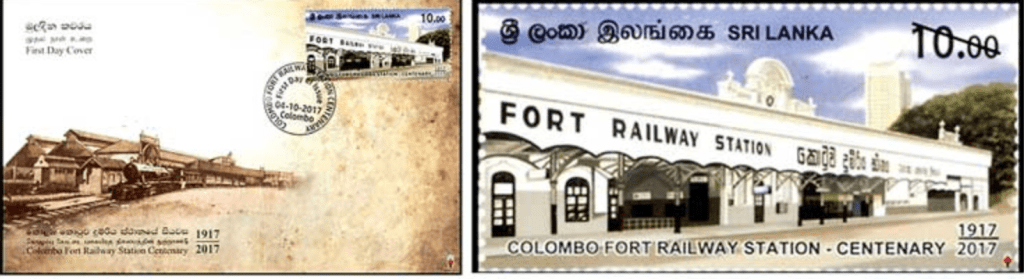
And every time I think of that, my mind goes back home to Colombo Fort Railway Station.
We often compare ourselves to places like the United States and say, economically, we are behind. That may be true. But heritage is not measured in GDP. It is measured in continuity, memory, and meaning.
Colombo Fort is, in many ways, our own Grand Central. It is the heart of railway transportation in Sri Lanka, the place where journeys begin and end, where thousands of lives intersect every single day. The energy of Pettah flows through it. The stories of commuters, vendors, workers, and families are embedded in its platforms.
So, the question is not whether we should modernize it. Of course, we should. A growing city needs better systems, better infrastructure, better connections.
But modernization should not come at the cost of erasing who we are.
Grand Central was not preserved because New York could not afford it. It was preserved because people recognized its value not just as architecture, but as a public memory space. They understood that once lost, such places cannot be recreated.
Sri Lanka has something equally powerful, not in scale or wealth, but in the depth of its history and everyday life. If we lose places like Colombo Fort Railway Station, we are not just losing buildings. We are losing a way of life.
We are losing: The rhythm of daily life, The connection between people and place, The identity of a city that has grown through movement and exchange
We do not need to become New York.
But we do need to learn one thing from it: Value what you already have before it disappears. Because once it is gone, no amount of development can bring it back.
𝙄 𝙒𝙖𝙡𝙠𝙚𝙙 𝙩𝙝𝙚 𝘽𝙧𝙞𝙙𝙜𝙚, 𝙖𝙣𝙙 𝙎𝙝𝙚 𝙒𝙖𝙨 𝙏𝙝𝙚𝙧𝙚….
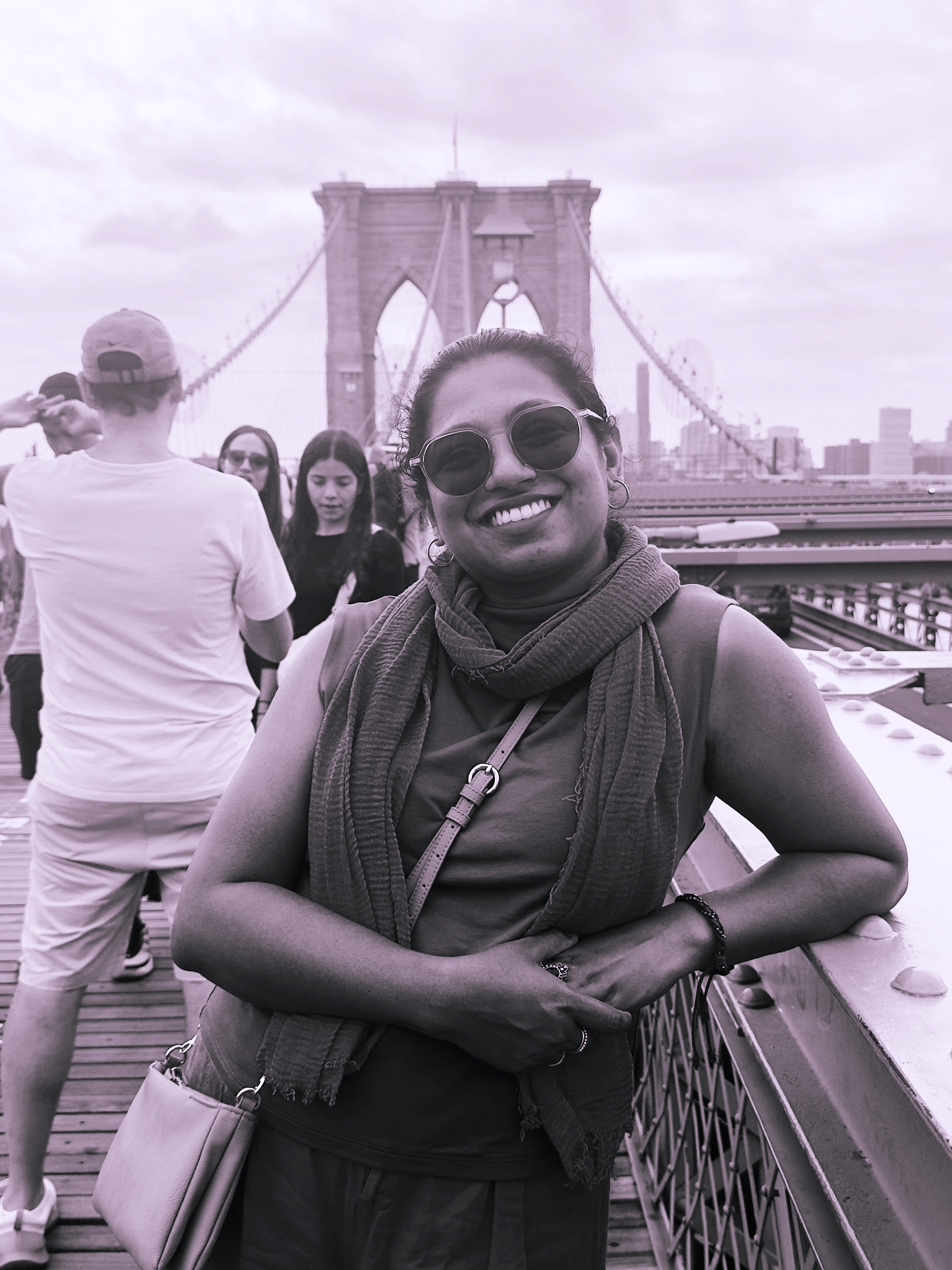
Somewhere between the towers, I slowed down.
The bridge felt steady and quiet, holding its weight with ease. The cables rose in clean lines, and every step seemed guided. It felt complete. But it was not always like this.
That is when I thought of Emily Warren Roebling.
When Washington Roebling fell ill during construction, the work could have stopped. The bridge was only an idea taking shape, and without direction, it might not have been finished. Emily stepped in.
At first, she carried messages. But soon she realized she needed to understand them. She began to learn about materials, about forces, about how the bridge would stand. She taught herself engineering in the middle of her work, learning as the bridge grew. Slowly, her role changed.
She was no longer just passing information. She was making sure the work continued. She understood the decisions and helped carry them forward. The bridge moved ahead because she held the process together.
As I walked, the structure felt different. It was not only steel and stone. It was also an effort, learning, and quiet responsibility. Much of that had passed through her.
Her role was not always visible, but it was essential.
By the time the bridge was finished, it stood strong and certain. But within it is another story of someone who learned what was needed and stayed with the work until it was done.
I walked across the bridge, but beneath my steps, her quiet authorship lingered…
 "Between Places" by Deshani